
Safety Glass Standards in FL Hurricane Zones: Codes Explained
Florida's building codes are among the strictest in the nation. This is especially true for glass. The state's unique geography places it in the path of powerful hurricanes, making impact-resistant glass a critical safety requirement rather than a suggestion. For homeowners and contractors, understanding safety glass standards in FL is essential for compliance, safety, and peace of mind.
The Florida Building Code (FBC) establishes specific requirements for glass installed in hurricane zones. These standards cover everything from the type of glass used to how it must be tested and installed. The goal is simple: protect homes and businesses from wind-borne debris during storms. A single broken window can allow wind to enter a building, increasing internal pressure and potentially causing catastrophic structural failure.
For homeowners and builders, navigating these regulations is critical. This guide explains key safety glass standards in FL, the requirements for hurricane glass impact requirements, and the window codes that apply to properties in Florida's High-Velocity Hurricane Zones (HVHZ). Luxurious Glass provides custom glass solutions that meet these rigorous standards.
What Are the Safety Glass Standards in FL?
The safety glass standards in FL are primarily governed by the Florida Building Code. This chapter sets the requirements for glass used in both residential and commercial buildings. It covers material properties, design, construction, and quality for glass in vertical and sloped applications.
A critical component of these standards is the requirement for safety glazing. This type of glass is designed to reduce the risk of injury if it breaks. For buildings in HVHZ, the requirements are even stricter and are detailed in Sections 2410 through 2415 of the code. These sections mandate that all exterior wall cladding, including glass, must resist wind loads and impacts from hurricane-generated debris.
The safety glass standards in FL also dictate specific testing procedures. For instance, Category I glazing products must withstand a 150 foot-pound impact test, while Category II products, used in doors and larger windows, must withstand a 400 foot-pound impact test. This ensures that glass can withstand the force of flying debris during a hurricane.
Hurricane Glass Impact Requirements
The hurricane glass impact requirements are designed to protect buildings from the most destructive forces of a storm. These requirements specify that glass must be able to resist impacts from large and small missiles, such as a 2x4 piece of lumber or smaller debris, without shattering.
According to the Florida Building Code, exterior glazing below 30 feet must be able to resist impacts from large missiles, while glazing above that height must resist small missiles. One way to meet this standard is by using large missile impact-resistant glazed assemblies.
To further protect the building envelope, the exterior lite of glass in an insulated glass unit must be safety glazed. This means the outer pane of glass in a double-pane window must meet specific safety standards. If not, the windows can be protected by shutters, which are a common sight on Florida homes.
Custom glass installations can be designed to meet these strict impact requirements for any Florida property.
Understanding Window Codes in Florida
Window codes in Florida are part of the broader FBC and dictate the specific requirements for windows and doors. They ensure that windows can withstand the pressures and impacts of a hurricane. The codes cover everything from the glass itself to the frames and the hardware used for installation.
Section 2411 of the FBC covers High-Velocity Hurricane Zones and provides detailed specifications for windows, doors, and glass. The code outlines that glazing in sliding and swinging doors must be safety glazing and must comply with federal standards like 16 CFR 1201.
Window codes also require that windows be tested to ensure they can withstand the specific design wind pressures for a building's location. The architect or engineer of record must specify these pressures so that manufacturers can design prefabricated assemblies correctly. This means that a window in a high-rise building on the coast will need to meet much stricter requirements than a window in an inland area.
Stay Compliant and Safe with the Right Glass
Navigating Florida's building codes can be complex. Luxurious Glass helps homeowners and contractors choose the right glass that meets all safety glass standards in FL.
Why Compliance Matters
Compliance with Florida's building codes is not optional. It is the law. Homes and businesses that do not meet these standards can face significant penalties, and insurance companies may deny claims related to storm damage if the property is not up to code.
Glass replacement services can help ensure your property meets the latest code requirements and is protected from storm damage.
The table below summarizes key safety glass standards and requirements for Florida buildings.
How Luxurious Glass Can Help
Luxurious Glass provides custom glass solutions that meet the rigorous safety glass standards in FL. Our team stays up to date on the latest window codes to ensure your project is safe and compliant. We are a locally owned and family operated company with over 50 years of combined experience serving the Ritz-Carlton Residences, luxury homebuilders, and homeowners throughout Collier and Lee County.
Code compliance guarantee: We know exactly which hazardous locations require safety glass, such as areas within 24 inches of a door, frameless shower enclosures, and windows positioned near the floor. Every piece of glass we install is fully compliant with state law.
Precision installation: We use laser tools for precise measurements to account for out-of-plumb walls, ensuring the glass hangs correctly and does not put unnecessary stress on its hardware. Every heavy brass hinge is securely mounted into solid wood wall studs, never just into drywall or tile.
In-house fabrication: With a guaranteed 5-to-7-business-day average turnaround for custom glass and mirror installations, we directly address the industry bottleneck of a 3-to-6-week timeline. We eliminate middlemen and shipping delays by fabricating all our glass and mirrors in-house.
Safety-first approach: We never rely on shortcuts during installation. Heavy glass can be dangerous without professional handling, so we ensure every piece is installed securely and safely.
Full-service support: From custom glass fabrication to professional installation, we provide a complete solution tailored to the unique architecture of your home or business.
Conclusion
Understanding safety glass standards in FL is essential for any homeowner or builder in hurricane zones. By following the codes, you can ensure your property is as safe as possible from the destructive forces of a storm. From hurricane glass impact requirements to specific window codes, the regulations are designed to protect you, your family, and your investment.
Luxurious Glass provides custom glass solutions that meet Florida's strict building codes. We help homeowners and contractors choose the right glass for their projects.
Ready to ensure your property meets safety glass standards in FL? Call us today at (239) 315-4138 to schedule a consultation. We will help you navigate the codes and choose the right glass for your needs.
Frequently Asked Questions
What are the safety glass standards in FL for windows and doors?
Safety glass standards in FL require that glass in windows and doors in hurricane zones must be tested to resist impacts from wind-borne debris. Sliding and swinging doors must meet Category II impact test requirements.
What are the hurricane glass impact requirements in Florida?
Hurricane glass impact requirements mandate that exterior glazing must resist impacts from large and small missiles. Glazing below 30 feet must resist large missile impacts, such as a 2x4 lumber traveling at 50 mph.
What window codes apply to properties in Florida's HVHZ?
In High-Velocity Hurricane Zones, windows must meet the requirements of Florida Building Code Section 2411. This includes specifications for wind load resistance, impact testing, and safety glazing.
Do I need safety glass in my shower enclosure?
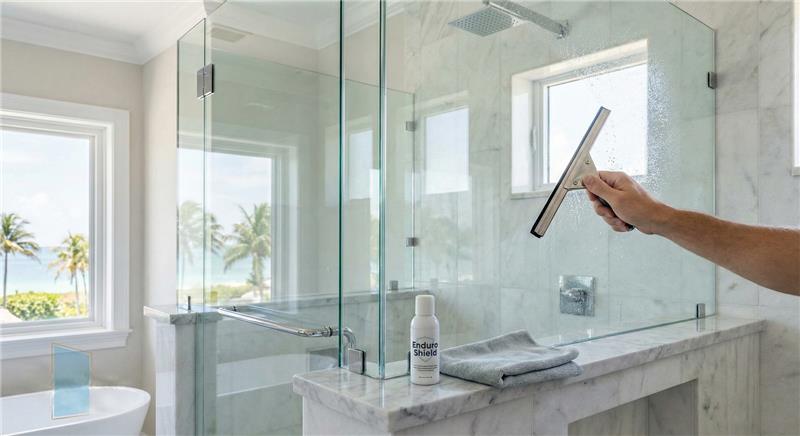
Yes. The Florida Building Code classifies areas near bathtubs and showers as hazardous locations requiring safety glazing, including tempered glass in shower doors and enclosures.
How do I know if my glass meets Florida's building codes?
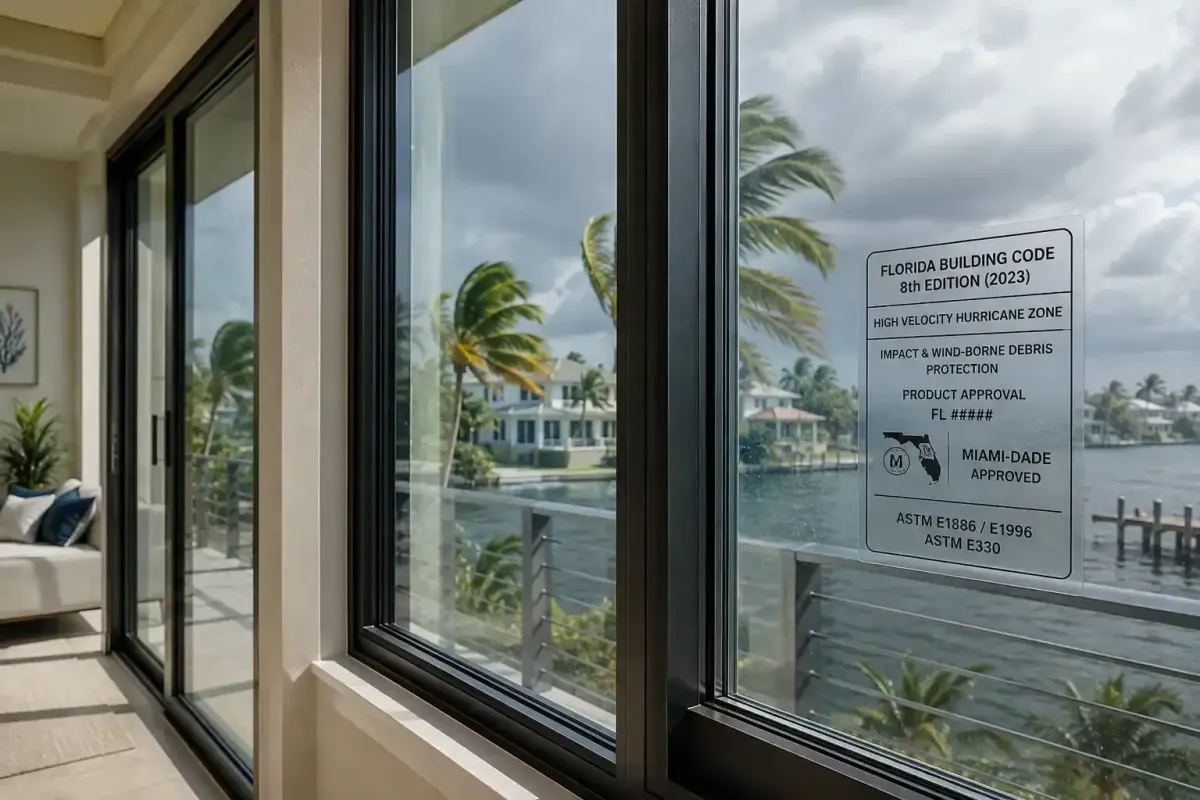
Look for a manufacturer's label, which should indicate the product complies with Florida Building Code standards and has been tested for impact resistance. You can also consult a licensed contractor.
What happens if my windows do not meet hurricane glass requirements?
If your windows lack impact-resistant safety glass, they must be protected by approved hurricane shutters to meet Florida code. Non-compliant properties risk severe storm damage, fines, and denial of insurance claims.