
Safety Glass Standards in FL: Tempered vs. Laminated
When evaluating architectural glass for any residential or commercial property, aesthetics and optical clarity are usually the first considerations. However, choosing the right material involves a much deeper look at durability and structural resilience. Glass panels are constantly exposed to everyday wear and tear, physical impacts, and severe environmental pressures. When standard glass fails under these stresses, it breaks into massive, razor-sharp shards that present an immediate, life-threatening hazard to anyone nearby.
In coastal regions like Southwest Florida, this danger is magnified significantly. The combination of intense tropical storm winds, heavy humidity, and high-velocity wind-borne debris can easily turn standard windows, glass doors, and interior partitions into structural liabilities. For property owners, trying to self-navigate complex architectural requirements and selecting the right grade of protective glazing can quickly become an overwhelming challenge.
Fortunately, you do not have to figure out these complex requirements alone. The expert team at Luxurious Glass is a locally owned and family operated company that offers all sorts of glass work for both residential and commercial properties, helping you safeguard your valuable investments against coastal wear. We are licensed and insured to bring you peace of mind, as well as provide exceptional installation service for all of our custom glass install options. Our professionals take the guesswork out of property protection by providing precision-fabricated, high-performance glass solutions engineered to stand up to the toughest coastal environments.
In this guide, we break down the science of tempered vs. laminated configurations so you can select the perfect code-compliant installations for your property.
The Physics of Thermal Conditioning: Tempered Glass
Tempered glass, often classified as fully tempered safety glazing, undergoes an advanced thermal altering process that fundamentally shifts its internal stress profile. To manufacture tempered glass, a standard pane of annealed float glass is first cut to its final dimensions, washed, and polished along its perimeter edges. This pre-fabrication step is entirely mandatory because any subsequent mechanical cutting, drilling, or heavy abrasive edging performed after the tempering process would immediately disrupt the delicate internal equilibrium, causing the entire pane to fracture into countless microscopic fragments.
Once shaped, the glass pane enters a high-temperature industrial convection furnace, where it is heated uniformly to an approximate temperature of 620°C (1,148°F), bringing the silica molecular framework close to its softening point. The hot glass is then rapidly transferred into a specialized cooling chamber known as a quenching cell. Here, high-pressure arrays of air nozzles blast both the top and bottom surfaces of the pane simultaneously.
This rapid cooling causes the outer skin of the glass to solidify almost instantly, while the insulated internal core remains hot and slightly fluid for a brief window. As the inner core eventually cools down and contracts, it pulls inward on the already solidified outer faces. This differential thermal contraction locks a permanent state of high-magnitude mechanical stress into the finished pane:
Surface Compression: The exterior surfaces are locked under an intense state of compressive stress exceeding 10,000 pounds per square inch (psi).
Internal Tension: The central core of the glass pane is counterbalanced by an equal state of high tensile stress.
This stress profile makes fully tempered glass roughly four to five times stronger than standard annealed glass of equal thickness. For a stone or blunt object to fracture a tempered pane, it must first exert enough force to fully overcome the 10,000+ psi surface compression layer. When an impact does penetrate this protective compressive layer, the pent-up internal tensile energy is released instantaneously, fracturing the glass into thousands of small, relatively blunt, pebble-like pieces termed "dices." These small fragments lack the mass and cutting edges of traditional shards, significantly minimizing the risk of severe lacerations to occupants.
The Engineering of Composite Layers: Laminated Glass
While tempered glass relies on a carefully balanced internal stress profile within a single pane, laminated glass is a multi-layered composite structure that relies on chemical bonding and material redundancy. Invented in the early twentieth century, laminated glass consists of two or more separate sheets of glass permanently bonded together via an flexible plastic interlayer.
The manufacturing process involves stacking the glass and polymer sheets in a cleanroom environment to eliminate airborne dust contamination. The assembled multi-layer sandwich is passed through heavy nipper rollers to expel trapped air pockets before being placed into an industrial autoclave. The autoclave exposes the assembly to a temperature of approximately 140°C (284°F) and a pressure of nearly 150 psi, melting the plastic interlayer and chemically fusing it to the glass surfaces.
Common Interlayer Materials
The structural behavior of laminated safety glass is heavily dictated by the specific chemical composition of its internal polymer interlayer:
Polyvinyl Butyral (PVB): The traditional industry standard for generic safety applications. PVB offers exceptional optical clarity, substantial acoustic dampening properties, and blocks over 99% of ambient ultraviolet (UV) radiation. It is highly elastic, flexing under impact to absorb mechanical kinetic energy.
SentryGlas Plus (SGP) / Ionoplast: An advanced ionoplast polymer engineered by DuPont for maximum structural resilience. SGP interlayers are up to 100 times stiffer and five times tougher than standard PVB. If the outer glass plies fracture completely, the SGP interlayer maintains structural load-bearing capacity, preventing the entire panel from collapsing out of its architectural frame.
When an object strikes laminated glass, the outer glass plies may crack or shatter, but the fractured fragments remain firmly adhered to the internal plastic interlayer. This prevents shards from flying through the air and ensures the window opening remains sealed against weather and intruders even after structural failure.
Architectural Codes: Why Florida Enforces Rigid Glazing Mandates
Architectural safety rules are not arbitrary; they are strictly designed around how specific glass types behave under mechanical stress. The State of Florida maintains some of the most rigorous and legally binding structural mandates in the United States, governed comprehensively by the active Florida Building Code (FBC).
To prevent injuries and property damage, the FBC establishes clear definitions for "hazardous locations" where standard glass cannot be legally installed. Understanding the core distinctions of impact glass vs tempered installations is vital for choosing the correct material for your property.
Hazardous Locations Mandating Fully Tempered Safety Glazing
The Florida Building Code designates several residential and commercial zones as hazardous locations due to high foot traffic and the risk of human impact:
Glazing Adjacent to Walkways and Doors: Any glass panel positioned within a 48-inch radius of a door frame, where the lowest edge sits less than 60 inches above the finished floor, must utilize certified safety glazing to protect occupants from accidental slips.
Low-Level Window Openings: Standard windows must use tempered glass if an individual fixed or operable pane exceeds 9 square feet, its bottom edge is less than 18 inches from the floor, and a walking surface sits within 36 inches of the pane.
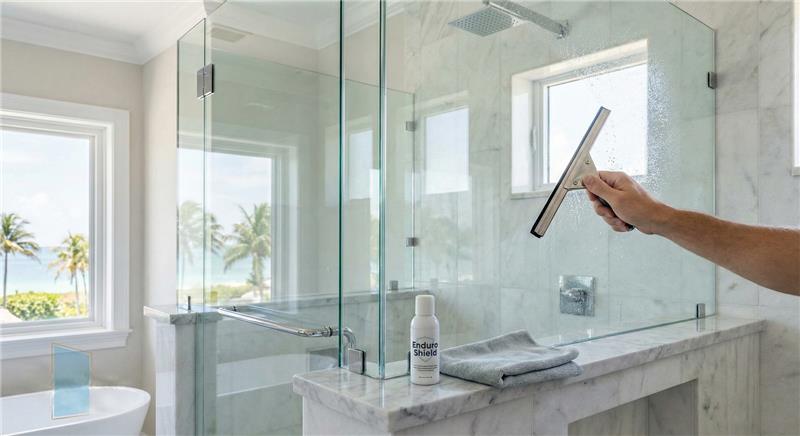
Wet Areas (Bathrooms and Showers): All glass panels enclosing walk-in showers, hot tubs, or steam rooms must be tempered if the bottom edge sits less than 60 inches above the standing water surface, protecting occupants from falling into broken shards.
To ensure full compliance and long-term durability across these high-risk areas, property owners trust our team. At Luxurious Glass, we offer all sorts of glass work for both residential and commercial properties, helping you safeguard your valuable investments against coastal wear. Whether you need a code-compliant shower enclosure or heavy-duty storefront glazing, our specialists deliver unmatched precision.
High-Velocity Hurricane Zones (HVHZ) and Wind-Borne Debris Regulations
While tempered glass excels at preventing impact injuries from human slips, it cannot protect a building envelope from extreme weather on its own. In coastal areas like Naples, Florida, the sub-tropical climate demands advanced windstorm protection. This is where the engineering distinctions of impact glass vs tempered panels become crucial to satisfying strict local building codes.
During a hurricane, high winds can carry tree limbs, roof tiles, and other debris at extreme velocities. If a piece of debris strikes a tempered window, the entire pane will instantly shatter into thousands of small pieces and fall out of its frame. This immediate breach allows high-velocity winds to enter the structure, causing a rapid increase in internal atmospheric pressure that can blow off the roof and cause total structural collapse.
To prevent these catastrophic breaches, the Florida Building Code enforces strict wind-borne debris rules for coastal regions. Within these designated zones, all exterior glass openings must be built to withstand large-missile impacts. This requires the use of true laminated impact glass, where the heavy polymer interlayer keeps the window sealed and intact even if the outer glass layers crack under heavy impact.
Is Your Building Envelope Ready for Coastal Storms?
Don't wait for heavy windstorms to expose vulnerabilities in your glass choices. Upgrade to high-performance, code-compliant impact glass solutions designed to keep your home sealed and secure under extreme pressure.
Comparative Material Performance Data
To clarify how these safety materials function under real-world conditions, we have compiled structural testing data based on national safety criteria and regional code mandates.
Safety Glazing Testing Metrics & Impact Classification
Source: CPSC Safety Standard for Architectural Glazing
Proactive Safety and Maintenance Guidance for Property Owners
While high-performance safety glass is engineered for exceptional durability, its specialized structural properties mean that proper care and maintenance are essential for maximizing its operational lifespan:
Protect Edges from Mechanical Scratches: Fully tempered glass is incredibly strong across its flat face, but it remains highly vulnerable to focused impacts along its outer borders. Ensure that sliding doors or shower enclosures never slam directly against hard tile or metal tracks.
Prevent Interlayer Delamination: For laminated glass windows, verify that the perimeter seals and weep holes within the window frame remain clear and free of debris. If standing rainwater pools along the lower edge of a laminated pane, water can eventually seep into the plastic layer, causing cloudy delamination blemishes.
Use Non-Abrasive Cleaning Agents: Avoid heavy steel wool, industrial scrapers, or harsh abrasive powders when cleaning safety glass. These can create micro-scratches that weaken the surface compression layer of tempered glass over time.
How Luxurious Glass Solves Your Structural Glazing Challenges
Navigating complex regional building codes and safety requirements can be a daunting task for homeowners and commercial managers alike. At Luxurious Glass, we eliminate the guesswork by handling the entire engineering, fabrication, and installation process with exceptional care.
1. Code Compliance Assessments
We thoroughly review your existing windows, entryways, and interior layouts to identify any non-compliant glazing. Our team ensures that every safety glass panel we install fulfills or exceeds active state and local building regulations, ensuring your property passes structural inspections without a hitch.
2. High-Precision Local Fabrication
Because tempered safety glass cannot be cut or altered once it leaves the furnace, exact measurements are paramount. Our design specialists utilize advanced laser-guided tools to map your space with absolute precision, ensuring a perfect fit for every custom panel before the glass undergoes its final thermal conditioning.
3. Commercial-Grade Hardware Matching
Safety glass requires robust, reliable framing components to perform effectively under stress. We pair all of our high-strength safety installations with heavy-duty, corrosion-resistant anodized aluminum tracks, brass hinges, and commercial-grade sealants designed to withstand coastal humidity.
4. Expert, Licensed Field Installation
An exceptional piece of safety glass can still fail if it is improperly mounted. Our fully licensed and insured field technicians anchor every installation according to strict safety protocols, using non-reactive structural adhesives and precise torque settings to eliminate unwanted glass stress.
Final Thoughts on Structural Glass Safety
Investing in high-quality safety glass is about more than just checking off a box for local inspections, it is about safeguarding your property and the people inside it. By understanding the science behind tempered and laminated glass, you can make informed decisions that protect your home or business from accidents and extreme coastal weather.
Whether you are updating your master bathroom with a modern frameless shower enclosure or retrofitting your property with high-performance windows, our team delivers the professional expertise and elite workmanship you deserve.
If you are ready to upgrade your property's safety and structural resilience, Contact our local experts today to ask questions, schedule a personalized design consultation, or request a detailed estimate for your next home improvement project.
Frequently Asked Questions (FAQs)
What is the difference between impact glass vs tempered glass?
Tempered glass is a single pane treated with high heat to break into small, blunt pebbles when shattered. Laminated impact glass uses a tough plastic interlayer that holds the glass fragments firmly in place, keeping the window sealed against heavy storm debris.
Why do regional building codes require safety glass in specific household locations?
Guidelines mandate safety glass in high-risk zones such as showers, doors, and low windows, to prevent severe injury. If someone slips and falls into the glass, the pane must break safely into blunt pieces rather than sharp, dangerous shards.
Can tempered safety glass be cut or trimmed on-site if it doesn't fit?
No, tempered glass cannot be altered after it undergoes thermal conditioning. Any attempt to cut, drill, or trim the glass will immediately disrupt its internal stress layers, causing the entire pane to fracture into thousands of tiny pieces.
How does laminated safety glass help reduce noise inside a coastal home?
The soft polymer interlayer used in laminated glass acts as an acoustic barrier. It absorbs sound waves and dampens outside noise from traffic, construction, and coastal windstorms far more effectively than standard single-pane windows.
Are all of the residential custom glass services from Luxurious Glass fully insured?
Yes, Luxurious Glass is a fully licensed and insured glass contractor. We complete every installation in strict compliance with local building standards, giving you total peace of mind and long-term protection for your property investment.
Can custom curved or bent glass installations satisfy Florida structural safety codes?
Yes, absolutely. When engineered by Luxurious Glass, custom curved panels undergo specialized thermal treatment matching CPSC 16 CFR Part 1201 standards. This allows you to integrate stunning architectural aesthetics while ensuring complete structural code compliance.