
Soundproof Glass Doors: Does Thickness Affect Noise Reduction?
A busy Naples office or a peaceful waterfront home should be a sanctuary of focus, yet all too often, the hum of an air conditioner, the distant buzz of a lawnmower, or the muffled echoes of a television intrude upon our most important moments. When a high stakes Zoom call or a quiet evening is interrupted by ambient noise, the culprit is often not the walls, but the doors. For many homeowners and business owners, the solution isn't just about closing the door; it is about what that door is made of.
At Luxurious Glass, we specialize in high-impact custom glass install projects that address these specific acoustic challenges. Whether you are looking for soundproof glass doors for a private study or seeking to reduce noise in a luxury bathroom, understanding the science of glass thickness is the first step toward a quieter environment.
This guide serves as a technical deep dive into the world of acoustics. We will analyze the relationship between glass mass and sound dampening, the specific benefits of soundproof glass doors for professional environments, and how you can achieve significant interior glass noise reduction without sacrificing the modern aesthetic of your space.
The Science of Sound and Glass Thickness
When it comes to noise reduction, physics plays the leading role. Sound travels in waves, and when those waves hit a barrier like a glass door, they attempt to pass through by vibrating the material. The more mass a material has, the harder it is for sound waves to move it. This is why, in a basic sense, thicker glass generally provides better soundproofing than thinner glass.
However, thickness alone isn't the only factor. In the industry, we measure a material's ability to block sound using the Sound Transmission Class (STC) rating. A higher STC rating means the glass is more effective at stopping noise. For example, a standard 1/4-inch pane of glass typically has an STC rating around 31, while a 1/2-inch pane can reach an STC of 36. While a five-point jump might seem small, the decibel scale is logarithmic, meaning even small increases in STC lead to significant noticeable reductions in interior glass noise reduction.
Why Mass and Density Matter for Office Glass
For a professional office glass partition or door, mass is your best friend. In a busy Naples workplace, privacy is paramount. If you are using thin glass, conversations from a conference room can easily bleed into the lobby. By opting for "heavy glass," typically 3/8-inch or 1/2-inch tempered glass, you add the necessary density to dampen those vibrations.
At Luxurious Glass, we help local businesses design quiet, productive environments. We understand the balance between the sleek, modern aesthetic of glass and the functional need for acoustic privacy. We provide detailed estimates that include recommendations on glass thickness to ensure your office glass does more than just look good; it performs.
STC Ratings by Glass Type and Thickness
Source: Acoustic Performance Data Tables
Is Your Office Too Loud for Real Work?
Privacy shouldn't be a luxury; it should be a standard. If your office glass lets in more noise than light, it’s time for an upgrade. Let our family-operated team help you design a space where you can actually hear yourself think.
The Secret Weapon: Laminated Glass vs. Thick Glass
While increasing thickness adds mass, adding an interlayer is often more effective. Laminated glass consists of two layers of glass bonded together by a plastic interlayer, usually polyvinyl butyral (PVB). This interlayer acts as a "dampener," essentially catching the sound vibrations and breaking them down before they can reach the other side.
For homeowners seeking soundproof glass doors, a 1/4-inch piece of laminated glass can often outperform a solid 1/2-inch piece of standard glass in terms of noise reduction. This is particularly useful in Naples bathrooms where you want the elegance of glass without sacrificing the privacy of sound. Luxurious Glass is licensed and insured, providing peace of mind that your specialized acoustic glass is installed with the technical precision it requires.
Acoustic Benefits for Offices and Bathrooms
The focus angle for modern renovations in Naples is often on multi-functional spaces. A master bathroom that opens into a bedroom needs high-quality interior glass noise reduction to prevent the sound of running water or a morning routine from waking a partner. Similarly, a home office needs to be a sanctuary.
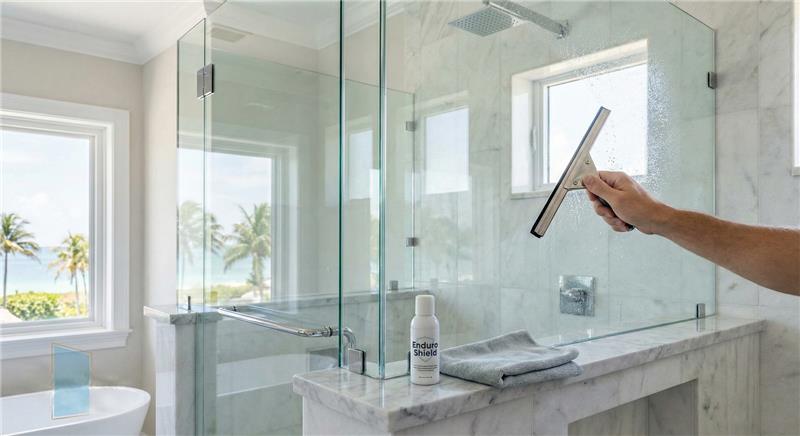
● Bathrooms: Using heavy tempered glass for shower enclosures or water closet doors adds a premium feel while naturally muffling high-frequency sounds like splashing water.
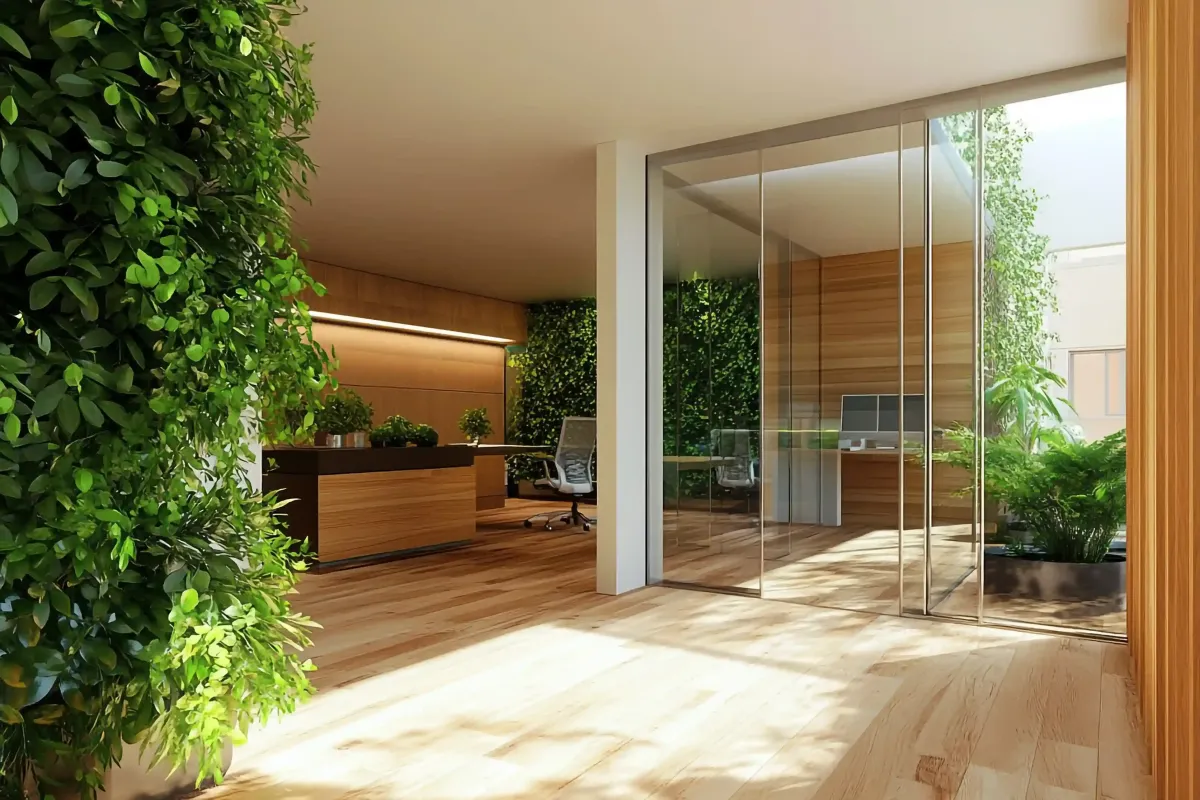
● Offices: Soundproof glass doors allow for "visual connectivity" while maintaining "acoustic isolation." You can see your team and remain part of the office culture without hearing every keyboard click or phone call.
According to the City of Naples Code of Ordinances, maintaining reasonable sound levels is a priority for community harmony. By investing in the right glass thickness and type, you are not only improving your own comfort but also adhering to a higher standard of living.
Beyond Thickness: The Importance of Seals and Frames
You could have the thickest glass in the world, but if there is a gap under the door, sound will find its way through. Think of sound like water; it will leak through the smallest opening. For effective soundproof glass doors, the installation must include high-quality sweeps and seals.
At Luxurious Glass, our "customer satisfaction is our number one priority" mantra means we don't just "drop in" a piece of glass. We ensure that your interior glass noise reduction project is completed with professional-grade hardware and tight-fitting seals. This is especially important for matching glass hardware to faucets/fixtures while maintaining the acoustic integrity of the door.
Engineering a Quieter Naples Home
The unique environment of Naples often requires glass that can withstand humidity and salt air while providing acoustic benefits. When we provide a detailed estimate, we look at the specific "noise floor" of your location. A home near a busy intersection in Downtown Naples will have different requirements than a secluded villa in Grey Oaks.
Mass: Use 1/2-inch glass for high-traffic areas.
Lamination: Choose laminated glass for maximum interior glass noise reduction.
Air Gaps: In some commercial settings, double-glazed office glass with an air gap provides the highest level of soundproofing.
Seals: Never overlook the bottom sweep and side seals.
Conclusion
The thickness of your glass is a critical factor in determining how much peace and quiet you enjoy in your home or office. While standard glass might satisfy the eyes, it often fails the ears. By moving to heavier glass or specialized laminated options, you can create a space that feels as private as it looks.
At Luxurious Glass, we are dedicated to helping Naples residents achieve the perfect balance of style and silence. Our team is ready to guide you through every technical detail, from STC ratings to the final hardware selection.
Don't let sound leaks dictate your lifestyle. If you are ready to swap the noise for a sanctuary, our experts are standing by with a tape measure and a plan. Experience the silence that only precision-fit soundproof glass doors can provide.
Frequently Asked Questions
Does thicker glass block 100% of sound?
No glass can block 100% of sound, but soundproof glass doors using 1/2-inch glass or laminated glass can reduce noise levels by up to 90%. This makes loud conversations in an adjacent room sound like a faint murmur.
What is the best glass for office noise reduction?
For most office glass applications, we recommend 1/2-inch tempered glass or 1/4-inch laminated glass. Laminated glass is specifically engineered for interior glass noise reduction because the plastic interlayer absorbs sound vibrations much better than solid glass.
Can I retrofit my current doors with soundproof glass?
It depends on the existing frame. Standard doors often cannot support the weight of heavy soundproof glass doors. Luxurious Glass provides detailed estimates to determine if your current structure can handle a higher-STC glass upgrade.
Is laminated glass more expensive than thick tempered glass?
Generally, yes. The process of bonding multiple layers for interior glass noise reduction makes laminated glass more costly, but it often provides better acoustic results than simply increasing the thickness of standard tempered glass.
Does frameless glass provide good soundproofing?
Frameless glass is beautiful, but because there are small gaps between the glass and the wall, it isn't as soundproof as a framed system with full seals. However, using 1/2-inch "heavy glass" still offers significant acoustic benefits.
Why should I choose Luxurious Glass for acoustic projects?
We have 50 years of combined experience in the Naples area. We are locally owned, family operated, and specialized in custom glass install projects that prioritize both the aesthetic and the functional needs of our clients.