
UV Filter Glass: Saving Your Art and Furniture
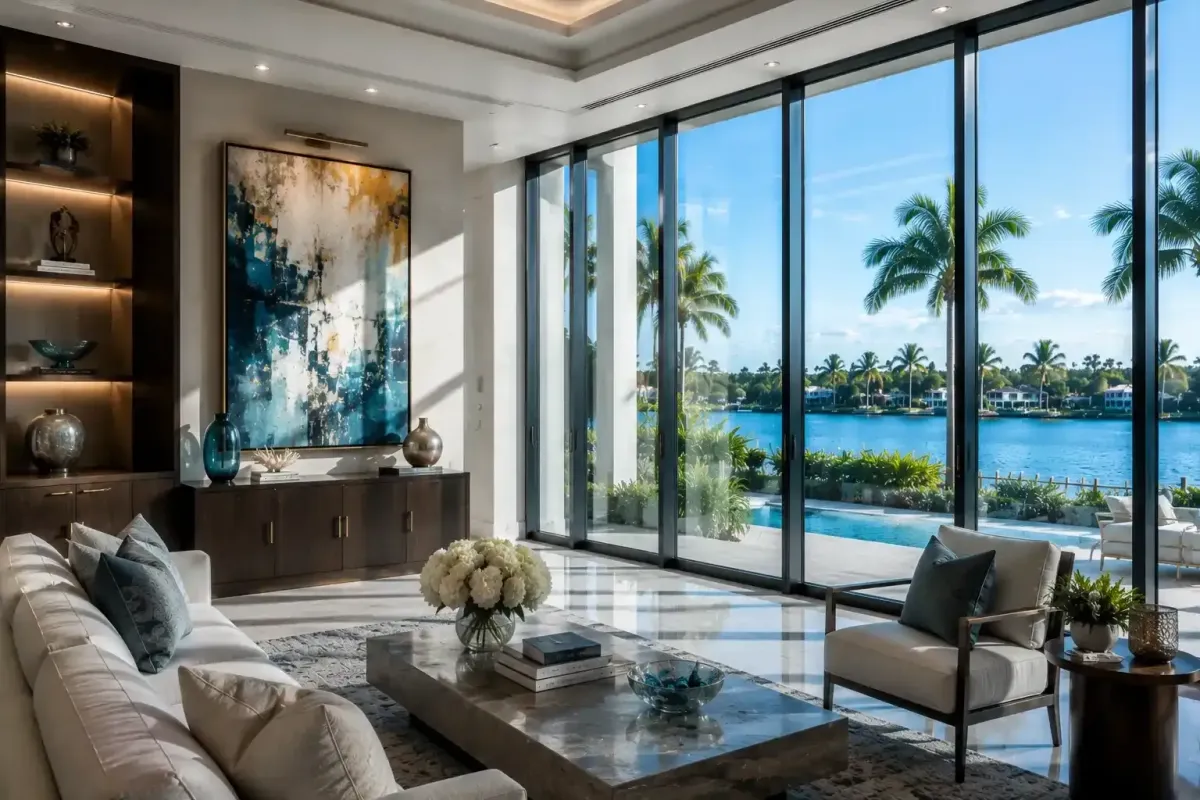
There is a distinct reason why people flock to the coastline: the beautiful, endless sunshine. Homeowners design their properties with expansive windows, floor-to-ceiling sliding doors, and majestic skylights specifically to invite this brilliant natural light indoors. However, that beautiful ambient light carries a hidden cost for your interior decor. Over time, continuous exposure to harsh solar radiation causes irreversible damage to your property, leading to faded hardwood flooring, bleached luxury fabrics, cracked leather seating, and ruined fine art.
While many assume that closing heavy drapes or dropping thick motorized blinds is the only solution, a far more elegant architectural alternative exists. At Luxurious Glass, we specialize in residential preservation systems, providing high-performance UV filter glass configurations that keep your home bright, beautiful, and completely shielded from hidden solar decay.
When you invest in custom interior styling, high-end upholstery, or collectible wall art, protecting those assets from premature aging becomes a top priority. Standard residential glass panes offer virtually no defense against the destructive wavelengths that alter chemical pigments and break down organic fibers. Implementing an advanced, optically clear barrier allows you to enjoy uninterrupted panoramic views and abundant daylight without sacrificing the color vibrancy or structural longevity of your interior investments.
In this guide, we will break down the science behind solar fading, explore how advanced glass UV coatings work, and reveal the best architectural solutions to permanently protect your home’s interior.
The Hidden Culprit: Understanding the Fade Factor
To successfully safeguard your interior valuables, you must understand the specific physical forces that drive material degradation. Fading, chemically known as photodegradation, is a complex degradation process triggered by a combination of light, heat, and atmospheric elements. This breakdown is tracked using a standardized metric known as the Fade Factor.
As shown by this breakdown, ultraviolet (UV) radiation is the single largest contributor to interior bleaching, accounting for roughly 45 percent of all fading damage. When high-energy UV rays strike a material, they break the chemical bonds holding the pigment molecules together. Once these bonds break, the material loses its ability to reflect color accurately, causing it to look dull, washed out, or severely yellowed.
The remaining damage is split evenly between intense visible light and infrared solar heat waves. Because multiple environmental factors contribute to this breakdown, a basic window pane is simply not enough. A comprehensive, multi-layered filtration strategy is required to completely shield your home from the sun's destructive path.
Ultraviolet Radiation: UV-A vs. UV-B Wavelengths
Ultraviolet radiation is divided into distinct bands based on wavelength frequency, and each band interacts with residential building materials in a completely different way.
1. UV-B Radiation (280 – 315 Nanometers)
UV-B rays possess high energy levels and are the primary cause of sunburns and immediate skin damage. Fortunately, standard clear architectural glass naturally blocks the vast majority of UV-B waves. This means that while you won't get a sunburn while sitting in your living room, your interior spaces remain completely vulnerable to the more deceptive band of solar radiation.
2. UV-A Radiation (315 – 400 Nanometers)
UV-A rays feature longer wavelengths and lower relative energy, allowing them to pass effortlessly through standard window panes. UV-A radiation penetrates deep into fabrics, wood grains, and art canvases, working slowly and silently over months and years to cause extensive, permanent structural fading. To successfully protect furniture from sun bleaching, your windows must be specifically engineered to block these sneaky, long-wave rays.
The Architectural Solution: How UV Filter Glass Works
Modern glass engineering provides exceptional protection against solar damage without compromising architectural clarity. True preservation relies on advanced manufacturing techniques, specifically focusing on glass UV coating applications and heavy-duty lamination.
The Physics of Low-Emissivity (Low-E) Coatings
High-performance windows incorporate microscopically thin, optically clear layers of metallic oxides applied directly to the internal glass faces during fabrication. This specialized glass UV coating works like a high-tech mirror, tuned to interact with different light wavelengths:
Daylight Transmission: It allows safe, visible light waves to pass through completely uninterrupted, keeping your living spaces bright and inviting.
Infrared Rejection: It reflects long-wave infrared heat energy away from your home, significantly lowering your monthly air conditioning costs.
Ultraviolet Block: It absorbs or reflects high-energy UV-A and UV-B wavelengths, preventing them from breaching your home envelope.
The Added Power of Acoustic Lamination
For maximum preservation, combining a metallic coating with a laminated configuration provides unmatched protection. Laminated panels are built by permanently bonding two thick sheets of glass around a tough, flexible interlayer of polyvinyl butyral (PVB). This clear polymer interlayer naturally filters out over 99 percent of all passing UV rays. As an added benefit, this heavy-duty assembly provides outstanding acoustic soundproofing and exceptional impact safety during severe tropical storm systems.
Material Vulnerabilities: What is at Risk in Your Home?
Every object inside your home reacts differently to solar exposure. High-end interior finishes require customized protection to prevent premature structural failure.
Fine Art and Original Canvases
Oil paintings, delicate watercolors, acrylics, and limited-edition prints are highly sensitive to solar radiation. Excessive UV exposure causes chemical changes in organic binders, causing bright paints to fade, white paper backings to turn brittle and yellow, and protective canvas varnishes to crack prematurely.
Hardwood Flooring and Bespoke Carpets
Natural wood flooring, including premium materials like Brazilian cherry, walnut, and white oak, is highly vulnerable to solar exposure. Intense sunlight can cause light woods to darken significantly, while dark woods bleach out into a pale, uneven tone. This creates unsightly shadows across your floor wherever rugs or furniture block the light.
Luxury Upholstery and Leather
Priceless silk tapestries, fine linens, velvet draperies, and premium Italian leathers suffer immensely under harsh sunlight. UV rays sap the natural moisture out of premium hides, leading to stiffening, unsightly surface discoloration, and deep structural cracking that cannot be repaired.
Don't wait for the sun damage to become irreversible.
Whether you need to shield a priceless painting or preserve your custom hardwood floors, our experts are here to help. Get your free home consultation and let Luxurious Glass design a custom UV filtration strategy for your space today!
Comparative Ultraviolet and Solar Energy Filtration Ratings
The table outlines general performance differences across various residential window configurations, utilizing data guidelines established by independent building performance networks.
Source: Glass Association of North America
Real-World Solar Trends: Navigating Coastal Exposure
Managing solar radiation requires a clear look at local environmental conditions. Homes built along the Gulf Coast must deal with some of the most intense, sustained sunshine profiles in the entire country.
According to solar metrics monitored by organizations like the National Renewable Energy Laboratory, the region receives an exceptional amount of solar energy, averaging over 5 to 5.5 kilowatt-hours of solar radiation per square meter per day. This intense exposure is further amplified by the reflective properties of coastal elements like white sand beaches, swimming pool water, and light-colored concrete patios. This reflection bounces additional UV radiation and solar heat directly back up into your low-emissivity windows.
Because your property handles this double exposure, relying on basic builder-grade glass will inevitably lead to faded fabrics and damaged flooring. Upgrading to specialized UV filter glass is a necessary structural step to keep your home looking its best.
How Luxurious Glass Protects Your Investment
Preserving high-end residential interiors from environmental damage requires a team with an absolute mastery of solar optics, local building designs, and premium field craftsmanship. At Luxurious Glass, we bring over 50 years of combined industry experience directly to your residential and commercial properties. As a proud, family-owned and locally operated business, we are fully dedicated to providing exceptional quality control, clear communication, and complete peace of mind.
Our professional experts take all the guesswork and stress completely out of your hands. We visit your property to evaluate your sun exposure levels, analyze your current window profiles, and help you select the ideal thickness, low-emissivity coating, and lamination styles for your home. Whether you are seeking to protect furniture from sun damage with advanced window upgrades, install pristine frameless shower enclosures, or design bespoke architectural features, we ensure your installations remain beautiful, energy-efficient, and engineered to last.
From our initial detailed estimate to the final immaculate installation, we stand firmly behind our promise of exceptional service and customer satisfaction. We are fully licensed and insured, ensuring your property is completely protected at every stage of the process.
Conclusion and Strategic Next Steps
You don't have to live in a dark, closed-off home with the curtains drawn just to protect your beautiful interior decor from fading. By upgrading to advanced solar filtration systems, you can safely open up your living spaces to the beautiful coastal sunshine while ensuring your fine art, hardwood floors, and luxury furniture remain perfectly preserved for decades to come. Trusting local glass professionals ensures your custom modifications are engineered using premium materials specifically designed to handle intense heat and sun exposure.
Connect with our experienced design team at Luxurious Glass today to schedule an expert on-site consultation, get your questions answered, and receive a comprehensive, detailed estimate tailored to your project goals.
Frequently Asked Questions
Does standard residential glass block ultraviolet light?
Standard residential glass blocks most short-wave UV-B rays, but it allows long-wave UV-A rays to pass through easily. These penetrating UV-A rays are the primary cause of fading, wood rot, and upholstery degradation inside your home.
How does a glass UV coating protect my interior furniture?
An advanced glass UV coating utilizes microscopically thin layers of metallic oxides to reflect or absorb high-energy ultraviolet wavelengths, stopping them from entering your living spaces while still allowing natural daylight to pass through clearly.
Can I install UV filter glass into my existing home frames?
Yes, you can. Our experienced technicians can slide out your old, inefficient window glass units and replace them with brand-new, factory-sealed uv filter glass units, avoiding the high cost and disruption of a total frame replacement.
Will a UV-blocking window make my home interior look dark?
Not at all. Modern low-emissivity coatings are engineered to filter out invisible ultraviolet and infrared heat waves while remaining completely transparent to visible light, keeping your rooms bright, open, and inviting.
What is the average lifespan of a laminated UV glass unit?
A premium, factory-sealed laminated window unit installed by our professional team can easily last for 20 years or more, providing permanent, high-performance ultraviolet filtration that never wears down or peels away over time.
Is fading caused entirely by ultraviolet radiation?
No, fading is caused by a combination of factors. While ultraviolet light accounts for roughly 45% of the damage, intense visible light and trapped infrared solar heat are responsible for another 50% of the overall fade factor.