
Florida Building Code Custom Glass Feature Requirements You Should Know Before You Buy
Transforming a luxury home or commercial space in Naples, Florida, often involves integrating stunning architectural elements that maximize natural light and coastal views. From heavy frameless shower doors to expansive balcony balustrades, these elegant additions define modern coastal living. However, before investing in these beautiful architectural upgrades, property owners must understand the rigid structural regulations governing their design. Installing a fully compliant Florida Building Code custom glass feature is the only way to ensure your renovation is safe, structurally sound, and legally permitted.
At Luxurious Glass, we are a locally owned and family-operated company offering comprehensive glass work for residential and commercial properties throughout Southwest Florida. We are fully licensed and insured, bringing you absolute peace of mind along with exceptional installation services.
Integrating custom glass installations into a coastal property requires deep knowledge of structural engineering, and this informational guide breaks down everything you need to know about safety glazing, local permitting, and hurricane standards before making a purchase.
Understanding the Strict Glazing Regulations in Southwest Florida
The State of Florida enforces some of the most rigorous building codes in the United States, specifically designed to protect structures against extreme tropical weather and high-impact scenarios. Chapter 24 of the state regulations outlines the exact specifications for glazing materials. Whenever an architect or homeowner plans a Florida Building Code custom glass feature, the materials must meet strict criteria regarding thickness, safety treatment, and structural support anchoring.
These regulations exist to prevent catastrophic failure during high-stress events and everyday accidents. The codes dictate specific areas, known as "hazardous locations," where standard annealed glass is strictly prohibited. Understanding these hazardous locations helps homeowners make informed decisions early in the design phase, preventing failed local inspections and costly project teardowns. The specific parameters for compliance are rigorously enforced by local municipalities, including the dedicated building officials who oversee the Collier County Building Department.
Is Custom Glass Feature Required to be Tempered Glass in Florida?
A frequent question that arises during the pre-purchase phase of a renovation is: is custom glass feature required to be tempered glass in Florida?
The answer is unequivocally yes, provided the installation occurs within a designated hazardous location. The code defines hazardous locations as areas where human impact is highly likely. To meet the necessary tempered glass code requirements in Florida, manufacturers heat the material to over 1,100 degrees Fahrenheit and rapidly cool it. This thermal tempering process creates a product that is four to five times stronger than standard glass. More importantly, if tempered glass breaks, it shatters into small, blunt cubes rather than large, dangerous, and jagged shards.
Hazardous Locations Requiring Safety Glazing
Property owners must utilize safety glazing in the following specific environments:
Wet Areas: Any enclosure surrounding a shower, bathtub, sauna, or indoor pool where the bottom exposed edge of the panel is less than 60 inches above any standing surface.
Doors and Entrances: All fixed, sliding, and swinging doors, as well as any adjacent panels situated within a 24-inch arc of a door's operational path.
Guards and Railings: Any transparent panel acting as a barrier on a staircase, balcony, landing, or elevated deck.
Large Low-Level Windows: Any panel larger than nine square feet, where the lowest edge sits within 18 inches of the walking surface.
Homeowners evaluating the difference between impact glass and standard tempered glass will find that interior wet zones generally require standard tempering, while exterior openings demand impact-rated lamination. Complying with the tempered glass code requirements in Florida protects your family from severe injury and shields you from significant liability.
Wind Load Ratings and Hurricane Protection in Naples
Coastal properties in Naples face the constant threat of severe tropical storms. Because of this environmental reality, exterior architectural features must be engineered to withstand immense atmospheric pressure. When planning an exterior installation, your contractor must calculate a precise custom glass feature wind load rating.
Wind load refers to the push (positive pressure) and pull (negative pressure) exerted by hurricane-force winds against a vertical surface. The local building department assigns specific Design Pressure (DP) ratings based on a property's exact location, distance from the coastline, and overall elevation.
Essential Components of Storm Compliance
Achieving a safe hurricane code custom glass feature requires passing rigorous testing protocols. These tests ensure the structural integrity of the installation:
Large Missile Impact Testing: Exterior glazing must survive the impact of a nine-pound wooden two-by-four timber fired from an air cannon at 50 feet per second. This simulates airborne debris commonly found in severe hurricanes.
Cyclic Wind Pressure Testing: Following an impact, the panel is subjected to thousands of rapid pressure cycles to mimic the relentless push and pull of a sustained hurricane.
Heavy-Duty Anchoring: A high custom glass feature wind load rating is useless if the supporting frame fails. Building codes require specialized marine-grade hardware and heavy structural anchors drilled deep into concrete substrates.
Evaluating these stringent requirements ensures that any hurricane code custom glass feature will successfully defend the building envelope during a massive weather event.
Glazing Specifications and State Standards
To simplify the technical requirements, the table below categorizes the core regulations for common residential and commercial projects.
Florida Building Code Glazing Reference
Source: Florida Building Commission.
Examining Popular Installations and Their Engineering Rules
Different architectural designs require highly specific engineering approaches. Applying a Florida Building Code custom glass feature standard to your property ensures longevity and safety across various applications.
Frameless Shower Design Specifications
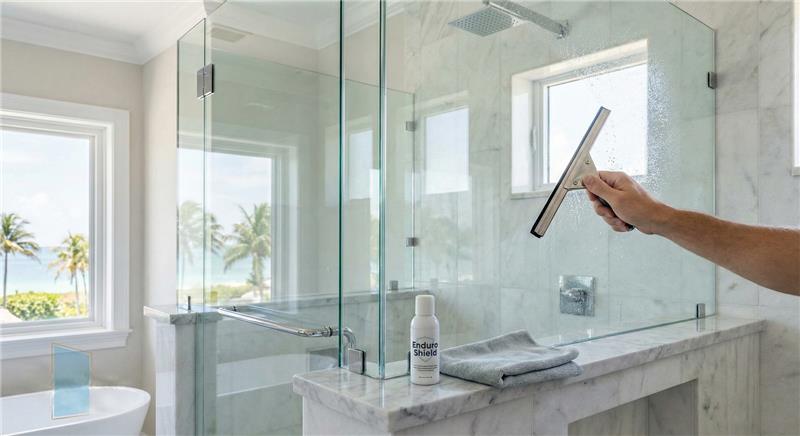
Upgrading a master bathroom with frameless shower enclosures requires precise structural calculations. Because frameless designs lack bulky metal headers, the panels carry their own structural weight. The building code mandates heavy 3/8-inch or 1/2-inch tempered safety glass for these systems. Furthermore, installers cannot anchor the heavy brass hinges into standard drywall; they must drill directly into structural wood blocking or concrete walls. Failing to meet these strict anchorage requirements will result in a failed inspection.
Balustrades and Architectural Railings
A transparent balcony railing preserves stunning views of the Gulf Coast, but it serves a critical safety function as a protective barrier. A compliant Florida Building Code custom glass feature acting as a guardrail must support a concentrated load of 200 pounds applied in any direction along the top edge. Modern code updates heavily favor laminated tempered glass for these applications. If a laminated panel shatters, the hazardous broken pieces remain adhered to an inner plastic interlayer, preventing the barrier from falling apart completely.
Wine Cellars and Interior Partitions
Climate-controlled wine rooms present a unique challenge. They must meet the structural safety rules for floor-to-ceiling glass while also adhering to strict energy conservation codes. The panels used in residential glass wine rooms must be tempered for safety, but they must also feature thermal seals to prevent condensation and humidity transfer into adjacent living spaces.
Local Permitting Processes in Collier and Lee County
Navigating state laws is only half the battle; property owners must also satisfy local municipal enforcement. The custom glass feature building code Collier County mandates a rigorous permitting process for any structural alteration.
When you alter a structural element, your licensed contractor must submit detailed architectural drawings, engineering calculations, and a Notice of Commencement (NOC) to the county building department. An official plans examiner reviews the documents to ensure the custom glass feature wind load rating perfectly matches the home's specific wind zone.
Undertaking a project without pulling the necessary permits carries severe consequences. Unpermitted work can result in heavy financial penalties, immediate stop-work orders, and immense complications when attempting to sell the property in the future. Furthermore, insurance providers frequently deny claims for storm damage if they discover an unpermitted hurricane code custom glass feature failed during a tropical event. Relying on a highly experienced, locally licensed team ensures every document is filed correctly the first time.
Ready to upgrade without the headache?
Navigating strict building codes and pulling permits doesn't have to be stressful. Let the licensed and insured experts at Luxurious Glass handle the engineering, paperwork, and heavy lifting for you.
Why Professional Execution Matters in Naples
Coastal environments are incredibly harsh on building materials. The combination of intense heat, high humidity, and airborne sea salt requires a specialized approach. At Luxurious Glass, our locally owned and family-operated structure allows us to carefully curate materials that survive the Naples climate. With over 50 years of combined experience, we know that standard hardware will rust and degrade quickly near the coast. That is why we utilize marine-grade 316 stainless steel and heavy anodized aluminum to support every Florida Building Code custom glass feature we install.
We believe in complete transparency. Our clients receive highly detailed estimates outlining the exact glass thickness, the hardware finish, and the structural anchoring methods required for their specific project. When evaluating custom interior updates, such as large-scale commercial glass walls or expansive gym mirrors, our licensed and insured technicians handle the heavy lifting safely and correctly.
A Pre-Purchase Checklist for Naples Homeowners
Thorough due diligence prevents costly mistakes. Before finalizing any contracts for a new architectural installation, review this essential pre-purchase checklist to ensure total compliance:
Identify Hazardous Locations: Determine if your planned installation sits near a door, a wet zone, or a staircase. If so, ensure the estimate includes safety glazing that meets the tempered glass code requirements in Florida.
Verify Exterior Design Pressures: If the project faces the outdoors, confirm that the engineering drawings state a highly accurate custom glass feature wind load rating.
Confirm Permit Responsibilities: Clarify who is responsible for pulling the local permits. The contractor should handle all submissions for the custom glass feature building code Collier County enforcement office.
Check Licensing and Insurance: Always verify your contractor's active licensing status through the Florida Department of Business and Professional Regulation prior to signing an agreement.
Review Material Longevity: Confirm that the mounting hardware is rated for coastal moisture to prevent premature corrosion and structural failure.
Handling these steps meticulously guarantees that your new Florida Building Code custom glass feature will pass its final county inspection on the very first attempt.
Final Thoughts
Investing in a luxury glass installation significantly elevates the aesthetic appeal, natural light, and overall market value of a Naples property. The elegant transparency of heavy glass creates a seamless flow between indoor and outdoor living spaces. However, prioritizing aesthetic appeal without acknowledging the strict engineering rules can lead to disastrous consequences.
Ensuring your renovation qualifies as a fully compliant Florida Building Code custom glass feature requires careful material selection, precise wind load calculations, and expert installation techniques. By adhering to the mandatory safety glazing rules and partnering with a highly qualified local team, you can confidently transform your property into a safe, stunning, and structurally sound masterpiece.
As a locally owned, family-operated business with decades of combined expertise, Luxurious Glass is committed to delivering exceptional quality, complete transparency, and total customer satisfaction on every single project. When you are ready to discuss the structural requirements for your upcoming renovation, simply reach out to our professionals to schedule a detailed, highly accurate estimate for your home or business.
Frequently Asked Questions
What happens if my glass project fails a county building inspection?
Failing a county inspection usually results in a formal stop-work order. You must pay to tear down the non-compliant materials, re-engineer the plans, pay additional permit fees, and install fully compliant materials before construction can resume safely.
Is custom glass feature required to be tempered glass in Florida bathrooms?
Yes, any glass installed around a shower, bathtub, or wet area where the bottom edge is within 60 inches of the standing surface must be tempered safety glass to prevent severe lacerations from slips and accidental body impacts.
How does a contractor determine my specific wind load requirements?
Licensed structural engineers determine wind load requirements by consulting the Florida Building Code wind speed maps, evaluating your property's exact proximity to the coastline, and calculating the height of the specific installation above the ground level.
Why is laminated glass required for modern balcony guardrails?
Laminated glass is required for balcony guardrails because it features a durable plastic interlayer. If the tempered glass panels shatter, the broken pieces stick firmly to the interlayer, ensuring the protective safety barrier remains intact to prevent falls.
Are detailed estimates really necessary for small bathroom renovations?
Yes, highly detailed estimates are absolutely necessary. They outline the exact glass thickness, safety glazing type, and hardware specifications required by local laws, ensuring you receive a safe, code-compliant installation without any hidden surprises or structural failures.
Can standard indoor glass be used for an exterior patio partition?
No, standard indoor glass cannot be used outside. Exterior partitions must utilize impact-rated safety glazing designed to survive high-velocity hurricane winds, airborne debris impacts, and intense atmospheric pressure changes common to the Southwest Florida coastal environment.